
TL;DR
Naive design, the trend toward intentionally imperfect, hand-drawn, doodle-like visuals, is one of the biggest design movements of 2026. Major forecasters like Adobe and Kittl have named it a top trend, and brands like Cheetos are already running with it. The short version: audiences are increasingly skeptical of AI-polished visuals, and deliberately “messy” design has become a way to signal that a real human made this. If you’re wondering whether this approach has a place in your client work, the answer is probably yes, and this post breaks down exactly why.
You know those wobbly doodles you used to sketch in the margins of your notebook during a boring lecture? Apparently, they’ve been on a career path this whole time, because naive design is one of the hottest branding directions of 2026. Major forecasters, including Adobe and Kittl, have officially named this trend in their annual reports, and brands across categories are starting to lean into it in a real way.
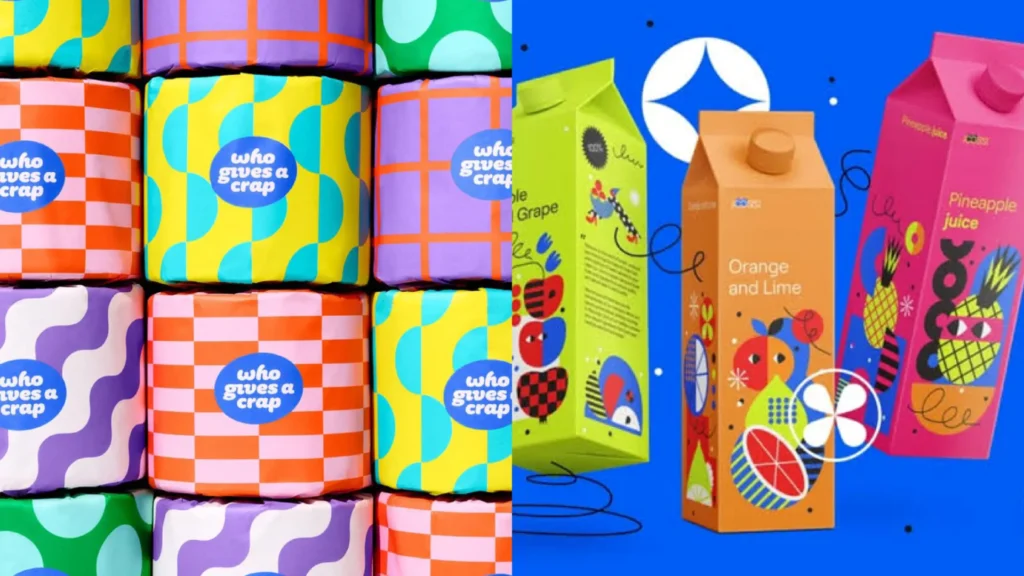
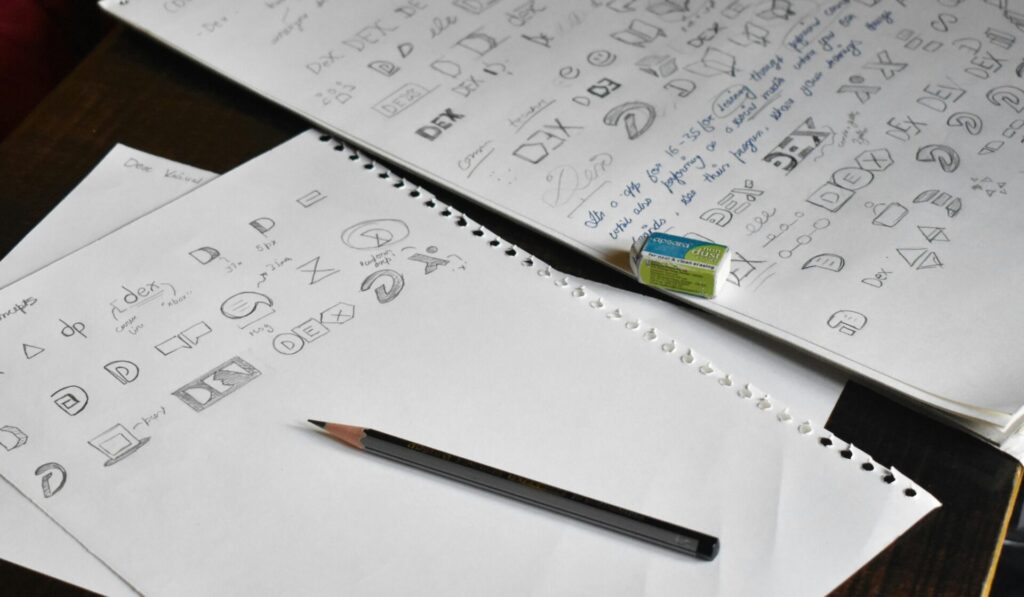
So what actually is naive design? Think uneven shapes, scratchy outlines, hand-drawn typography, messy fills, and illustrations that look like they came from someone’s sketchbook rather than a perfectly constructed grid. It embraces what Kittl’s 2026 trends team describes as “childlike, imperfect, human” qualities as a feature, not a flaw. And before you dismiss it as a niche aesthetic, it’s worth understanding why this is happening right now, because the reasoning is genuinely strategic.
Why Naive Design Is Having Its Moment

The short answer is that audiences have started to distrust perfection. We’re living through a period where AI tools can generate flawless, pixel-perfect visuals in seconds, and consumers are noticing. According to a VisualGPS report from Getty Images, nearly 90% of consumers want transparency when AI is used in visual content, and the same research found that 98% of consumers agree that authentic images and video are pivotal in building trust with a brand.
When everything starts to look the same level of polished, the polish itself stops signaling quality. It starts signaling “AI-generated, probably.” And in that environment, an imperfect aesthetic does something a perfectly rendered gradient cannot: it signals authorship. It says a real human made deliberate choices here.
That’s the strategic logic behind naive design. The wobbles are intentional. The asymmetry is calculated. As one trend analyst noted for DesignRush, “When AI can generate flawless visuals in seconds, imperfection becomes a marker of effort, time, and labour. It signals authorship, something made by hand, not prompted into existence.” The human-centric branding argument isn’t about being sloppy. It’s about being legible as human.
Minimalism Burnout Is Real
Scroll through brand Instagram accounts from around 2019 and a pattern emerges fast: the same off-white backgrounds, the same thin sans-serifs, the same carefully considered negative space. The “sterilised minimalism” aesthetic that dominated tech and lifestyle brands for the better part of a decade has reached a saturation point, and audiences are feeling it.
This is what designers and trend forecasters are calling minimalism burnout. After years of refinement and reduction, audiences are craving texture, warmth, and the sense that someone had fun making something. Naive design and its imperfect aesthetics offer exactly that. The wobbly lines and hand-drawn doodles that would have read as “unprofessional” a few years ago now read as refreshingly real.
Kittl’s 2026 design trends report makes the case clearly: “As visual sameness grows, expressive styles regain attention.” When every brand looks equally refined, none of them register as distinctive. Bold colors, off-center layouts, and visible creative personality cut through the monotony in a way that yet another clean sans-serif simply won’t.
Gen Z, Nostalgia, and the Pull Toward "Unpolished"

There’s also a generational layer to this. Gen Z and Gen Alpha are actively gravitating toward aesthetics that feel lower-fi, more playful, and less algorithmically optimised. A 2023 GWI study found that 50% of Gen Z feel nostalgic for media from earlier decades because it reminds them of simpler times. And this isn’t just a passive feeling. It’s shaping what they engage with, save, and trust.
The doodlecore and early-internet aesthetics trending across platforms are part of this same pull. For a generation that grew up inside an internet that shifted from chaotic and exploratory to polished and algorithm-driven, rougher visuals carry an emotional resonance that sleek AI-perfect design just doesn’t. Naive design taps directly into that, offering the warmth and spontaneity of something that looks genuinely handmade.
For you as a designer, this opens up an interesting conversation with clients who are speaking to younger audiences. The case for human-centric branding isn’t just aesthetic preference. It’s backed by where consumer attention and trust is actually moving.
What Real-World Naive Design Actually Looks Like

One of the best examples of this trend in action is Cheetos’ “Other Hand” campaign from early 2025. The brand released a custom typeface called The Other Hand Font, designed entirely by a team of designers working with their non-dominant hands as a nod to the universal Cheetos experience: dominant hand perpetually coated in orange “Cheetle,” leaving only the other hand for everything else.
The font is, by every conventional design standard, a mess. It’s wobbly, uneven, and looks like it was drawn by someone who had, well, a snack emergency. That was entirely the point. The campaign, created by Silverstein Goodby & Partners, launched on National Handwriting Day and went completely viral with zero paid media investment, generating over 500 million earned impressions and tens of thousands of font downloads. An 11.8-point lift in social awareness on Meta was the result.
The font is still available free at Cheetos.com, and the brand even launched a Chrome plugin that converts the typography of any website to The Other Hand Font. It’s a masterclass in using imperfect aesthetics to do exactly what naive design is supposed to do: feel unmistakably, delightfully human.
That result speaks to something bigger than a clever stunt. Brands willing to lean into authentic brand identity through deliberate imperfection are creating real engagement, because the visual language feels honest in a way that’s becoming increasingly rare.
The Craft Behind "Childlike Anarchy"
Here’s what’s important to understand about this whole conversation: naive design is not the same as careless design. This is a really common misconception, and it’s worth addressing directly because it changes how you’d pitch this to a client.
The best naive design is what Kittl describes as “carefully unpolished.” The wobbles are deliberate. The color choices are considered. The overall composition still guides the eye. What you’re doing is making strategic choices that mimic the untrained hand, not actually abandoning craft. Sophisticated designers are consciously working within constraints that produce imperfect results, which takes more skill in many ways than producing something polished.
When you’re working with anti-design trends in this space, you’re still making decisions about hierarchy, readability, and brand alignment. The naive aesthetic needs to serve the brand, not just decorate it. As the folks at Kittl put it: “Naivety doesn’t mean chaos. The best Naive Designs aren’t random scribbles, they’re carefully unpolished.”
This also matters for how you position it in a brand presentation. If a client sees wobbly lines and thinks you’ve stopped caring, the framing has failed. The conversation should be about intentionality, about choosing to communicate warmth, personality, and human authorship, and about what that signals to their audience.
Where Naive Design Works (and Where It Doesn't)
Like any trend, naive design has contexts where it thrives and contexts where it doesn’t belong. It works beautifully in categories where personality, warmth, and storytelling are central to the brand: food and beverage, lifestyle, creative services, youth-focused brands, wellness, and independent retail.
It tends to fall flat in categories where the primary brand equity is credibility and authority, think luxury positioning with exclusivity at the core, certain healthcare contexts, or professional services where the first impression needs to communicate precision. In those cases, the “childlike anarchy” reading can undermine exactly what the brand needs to communicate.
For your client conversations, the question to ask is: what is the primary thing this brand needs a consumer to feel in the first three seconds? If the answer includes warmth, approachability, fun, or genuine personality, naive design might be worth exploring. If the answer is authority, precision, or exclusivity, a different direction will serve them better.
What This Means for Your Work Right Now
The rise of naive design as a mainstream branding direction matters for a few practical reasons.
First, if you’re presenting options to clients, this is worth adding to your creative range. Clients who’ve been asking for “something with more personality” or “less corporate” may respond really well to naive design concepts that you can back up with trend research and strategic reasoning.
Second, if you have clients serving Gen Z or Gen Alpha audiences, the conversation around human-centric branding and authentic brand identity is actually a useful entry point for repositioning a brand that feels too polished or too AI-looking. That’s a real concern for a growing number of companies.
Third, knowing how to execute this well (with intention, not just randomness) is increasingly valuable. Being able to walk a client through why imperfect aesthetics are a deliberate strategic choice, not a design shortcut, puts you in a stronger position as their creative partner.
Naive design is a trend with genuine staying power because it’s rooted in a real cultural shift, not just an aesthetic moment. Audiences are actively seeking out signals of human authorship, and for brands willing to meet them there, the opportunity is significant.
If you’re looking for tools to present your creative direction and brand concepts in a way that’s polished, strategic, and easy for clients to follow, the Brand Presentation Template has everything you need to walk clients through your thinking clearly. And if you want to get your services and pricing in front of clients before the project even starts, keep an eye out for the Services & Pricing Guide Template, coming soon.
Frequently Asked Questions
What is naive design?
Naive design is a visual style that intentionally embraces imperfect, hand-drawn, childlike aesthetics: wobbly lines, uneven fills, sketchy typography, and doodle-like illustrations. Unlike accidental sloppiness, the best naive design is deliberately crafted to mimic untrained qualities as a strategic choice.
Why is naive design trending in 2026?
Several factors are converging: audiences are increasingly skeptical of AI-generated visuals and crave proof of human authorship, minimalism has reached a saturation point after years of dominating brand identity, and younger consumers (especially Gen Z and Gen Alpha) are gravitating toward lo-fi, nostalgic aesthetics that feel warmer and more genuine than polished digital content.
Is naive design appropriate for all brands?
No. It works best in categories where warmth, personality, and approachability are key brand values, such as food and beverage, lifestyle, creative services, and youth-facing brands. It’s generally not the right fit for brands where authority, precision, or luxury exclusivity is the primary equity.
How is naive design different from bad design?
Intentionality. Naive design uses imperfect aesthetic elements deliberately to communicate something specific: warmth, humanity, creative personality. The composition still guides the eye, the hierarchy is still considered, and the brand still comes through clearly. The wobbles are a choice, not an oversight.
What brands are using naive design well?
Cheetos’ “Other Hand” campaign is a standout example, releasing a custom typeface designed entirely with the non-dominant hand, generating over 500 million earned impressions with zero paid media. Many independent food, lifestyle, and creative brands have also adopted doodle-style illustration and hand-drawn typography as part of their core identity systems.
How can I pitch naive design to a skeptical client?
Lead with the strategic reasoning, not just the aesthetic. Explain what imperfect visuals signal to their audience (human authorship, warmth, authenticity), reference specific trend data from sources like Adobe and Kittl, and tie it back to their audience’s values and where consumer trust is moving. Framing it as “carefully unpolished” rather than “messy” often helps land the concept.
Will naive design last beyond 2026?
It’s rooted in a genuine cultural response to AI saturation and minimalism fatigue, so it’s likely to have more staying power than a purely aesthetic trend. The underlying desire for human-centric branding and authentic brand identity isn’t going away. The specific executions may evolve, but the appetite for visuals that feel genuinely human-made appears to be a longer-term shift.