
TL;DR
Your design process is the clearest way to stand out in 2026, because AI has made polished visuals easy for everyone. Trend reports describe a shift toward hand-drawn, imperfect, human-looking work, and surveys suggest many consumers value human-made creative more. I cannot confirm that this translates into higher prices for you, but you can make your thinking visible to clients through discovery, strategy documents, roughs and decision notes.
Your design process is starting to look like your biggest advantage, and the timing is a little funny. AI tools can now produce a polished logo concept before your coffee finishes brewing, so polish no longer sets anyone apart. If you have been wondering where that leaves your own work, the 2026 trend reports have a more encouraging answer than you might expect.
The reports I pulled for this post keep circling one idea, usually under the name Imperfect by Design. Hand-drawn marks, grain, wobbly type and candid photography are showing up in brand work because audiences seem to want proof that a person made the thing. This post covers why that shift is happening, what the research does and does not say about it, and how to make your design process visible enough that clients can see what they are paying for.
What Imperfect by Design Actually Means in 2026
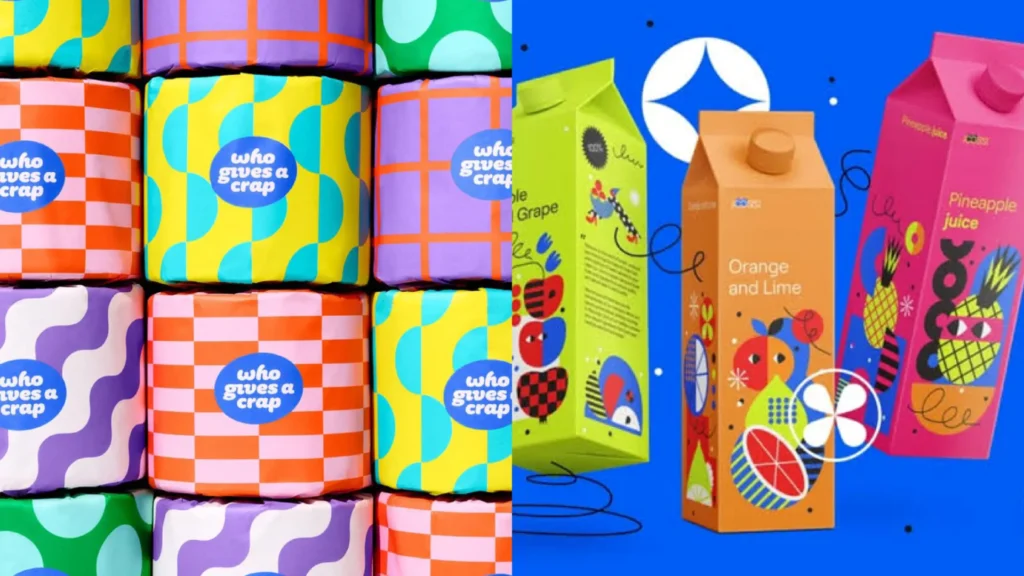
ManyPixels, in a trends roundup published in July 2026, describes the biggest trend of the year as a reaction rather than a single look. After two years of AI-perfect visuals, it says, the work getting attention shows a human hand, with hand-drawn marks, grain and imperfection leading the way. Krumzi’s roundup, which credits Canva’s trend report with the Imperfect by Design label, describes slightly off-kilter layouts, scanned textures and type that wobbles just enough to feel human. Behance’s Design Trends 2026 overview points the same direction and suggests adding subtle imperfections such as hand-drawn elements and slightly irregular spacing.
These are trend reports, so they reflect what studios and writers are observing, not measured proof of what clients will buy. They do agree on one detail, which is that the imperfection has to be deliberate. Krumzi says plainly that sloppy design does not count, and that the aim is imperfection with intent behind it. That intent is a product of your design process, which is why this trend is more useful to you than it first appears.
Why AI Polish Puts Your Design Process Back in the Spotlight
Ben Sherwood, creative partner at Design Bridge and Partners, makes a useful argument in Fast Company. When every brand has access to the same generative tools, efficiency becomes the baseline, and because these models trend toward the average, the output starts to look interchangeable. He is an agency leader sharing an opinion, so treat his piece as informed commentary rather than data, but it matches what the trend reports describe.
His advice is the part that matters for you. He suggests that the process itself should become part of the pitch, including the messy sketchbooks and the prototypes that failed along the way, because evidence of human involvement is becoming a premium asset. He also argues that the scarcest skill on a creative team will be judgment, meaning the ability to look at a thousand generated options and know which one deserves to exist.
Everything in that description sits inside your design process. Judgment lives in the questions you ask during discovery and the reasons you can give for choosing one direction over another. A finished logo is easy to imitate, and the reasoning behind it is much harder to copy.
Is "Made by a Human" the New Luxury? What the Evidence Says
You have probably seen that phrase all over your feed lately, and Sherwood’s piece closes on a version of it. Here is what the examples and numbers behind it actually show.
In late 2025, Valentino released a fully AI-generated campaign for a handbag, and Instagram commenters called it cheap and lazy, according to the BBC as reported by Moneywise. Scholarship in the Journal of Advertising Research, summarized by both Fast Company and Moneywise, found that when luxury brands disclose AI-generated imagery in their ads, consumers perceive the work as taking less effort and discount the brand’s value and authenticity. That finding covers luxury advertising where the AI use was disclosed, so it does not stretch to every kind of client work.
Getty Images’ VisualGPS research adds survey numbers. It found that 66% of global consumers believe creative content made solely by humans should be priced higher than AI-generated work, and 78% believe an AI-generated image cannot be considered authentic because of its origin. DoubleVerify’s 2026 study, also cited by Moneywise, found that 43% of North American consumers say low-quality or uncanny AI ads would hurt their opinion of a brand.
Those are strong signals about how people feel, and they are survey answers, which means what people say they would pay and what they actually pay do not always match. I cannot confirm that “human made” will let you charge more, and the luxury label itself is a prediction from commentators and not an established pricing rule. What the evidence does support is that visible human involvement gets noticed and, in many surveys, valued. A documented design process is one of the clearest ways to make that involvement visible.
Where AI Fits Inside a Human Design Process
None of this means you have to avoid AI. ManyPixels notes that AI works best as a collaborator that is fast at producing variations and poor at knowing which one is right for a particular brand. It also cites Figma’s State of the Designer 2026 report as finding that 72% of designers now use generative AI in their workflows. Krumzi describes the strongest 2026 work the same way, with AI expanding the options while a person makes the creative calls.
A practical split looks like this. Let AI help with early exploration and quick variations, since those are the stages where speed helps and nobody’s judgment is being replaced. Keep the client conversations and the strategic decisions with you, since those are the parts clients are hiring you for, and they are the heart of your design process.
Given what the Journal of Advertising Research found about disclosure, it also makes sense to be upfront with clients about where you used these tools. That part is my own suggestion and not a research finding, but one clear sentence in your proposal costs you nothing.
How to Make Your Design Process Visible to Clients
A design process only builds trust when the client can see it, and most of it happens out of sight. When I was first getting clients, I shared my whole process on Instagram, from the moodboard to the final design and mockups, and most of my clients came from there. They already knew how my work looked and how I thought. Here are the places where you can bring your own process forward:
- Your discovery questionnaire. The answers a client gives you become a record of the thinking behind the project. The post on the questions I ask every client before starting a brand project shows how I structure mine, and the Branding Questionnaire Template gives you a starting point.
- Your strategy document. Writing down positioning and audience before you design gives every later choice a reason you can point to. If you are unsure which format fits a project, brand strategy document, workshop, or questionnaire helps you decide.
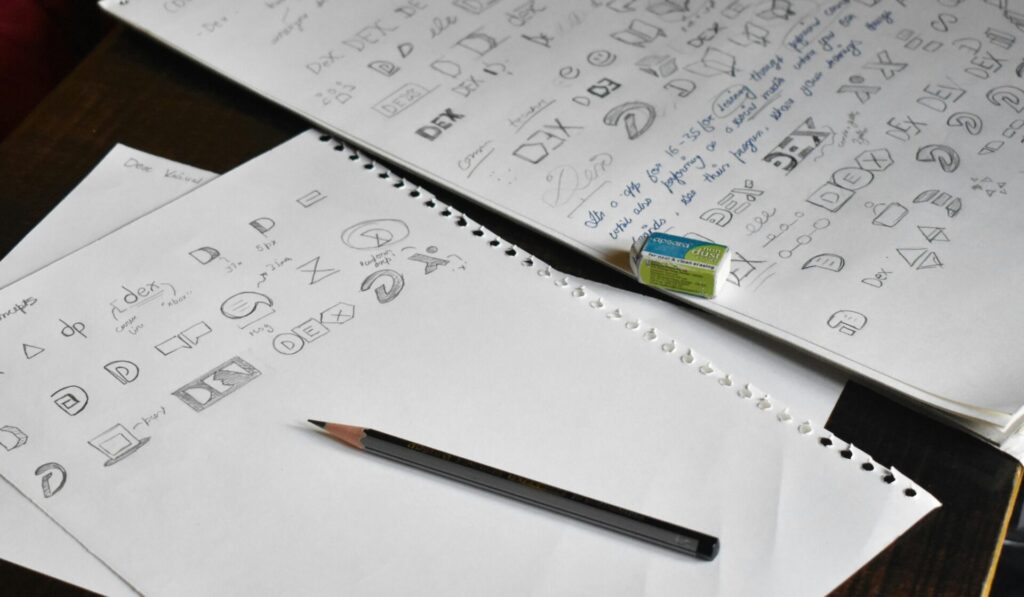
- Your roughs. Share a scanned sketch or an early lettering test before the polished concept, so clients see the thinking before the finish.
- Your decision notes. Keep a short running log of why you chose one direction and dropped another, then include a summary in your final presentation.
If you want a ready-made home for that reasoning, the Brand Strategy Template gives you a framework for turning messy client responses into a polished strategy document, with a companion guide and a filled-in example so you can see what done well looks like. It is $37 at the time of writing. If you want the discovery side covered too, the Brand Strategy Toolkit bundles the client questionnaire with the strategy template and companion guide, and brand discovery vs brand strategy explains where one phase ends and the next begins.

Next Steps: Start This Week
- Open your last finished project and write one page on the decisions you made and the reason behind each one. Seeing how much thinking stayed invisible shows you what your design process contains.
- Scan or photograph one sketch from your next project and decide where it will appear in the client presentation.
- Choose one spot in your own portfolio or website where a hand-made detail or deliberate imperfection would help visitors feel the person behind your design process.
- Write two sentences explaining where AI tools fit in your design process, ready to paste into your next proposal.
Keep Your Design Process in the Room
Imperfect by Design is a trend, and trends move on, so I would not rebuild your whole look around grain and wobbly lettering. The more durable takeaway is that polish has become easy to produce, which leaves the thinking behind the work as the clearer way to show your value. When you document your design process, share it with clients and stay honest about the tools you use, you give people a reason to hire you that has nothing to do with whatever aesthetic is popular this year.
Ready to give your thinking a home? Start with the Brand Strategy Template, or grab the Brand Strategy Toolkit if you want the questionnaire and companion guide in one download.
Frequently Asked Questions
What is Imperfect by Design?
It is the name given to a 2026 trend toward hand-drawn elements, textured and slightly irregular layouts, and human-looking type as a response to AI-generated polish. Krumzi credits Canva’s trend report with the label.
Does AI replace your design process?
Not according to the sources I found. ManyPixels says AI is fast at variations but weak at knowing which one is right for a brand, so judgment stays with you.
Will clients pay more for human-made design?
I cannot confirm this. Getty Images’ research found 66% of global consumers say human-made creative should be priced higher, but that is a stated opinion, not proof of what they actually spend.
Should you tell clients you use AI?
Research summarized by Fast Company and Moneywise found that disclosed AI use lowered perceived effort and brand value in luxury advertising. That study does not cover every client type, so being open about your tools and why you chose them is a reasonable, though unproven, approach.
How do you show your design process to clients?
Share the questionnaire answers, a written strategy, early sketches and a short log of your decisions.