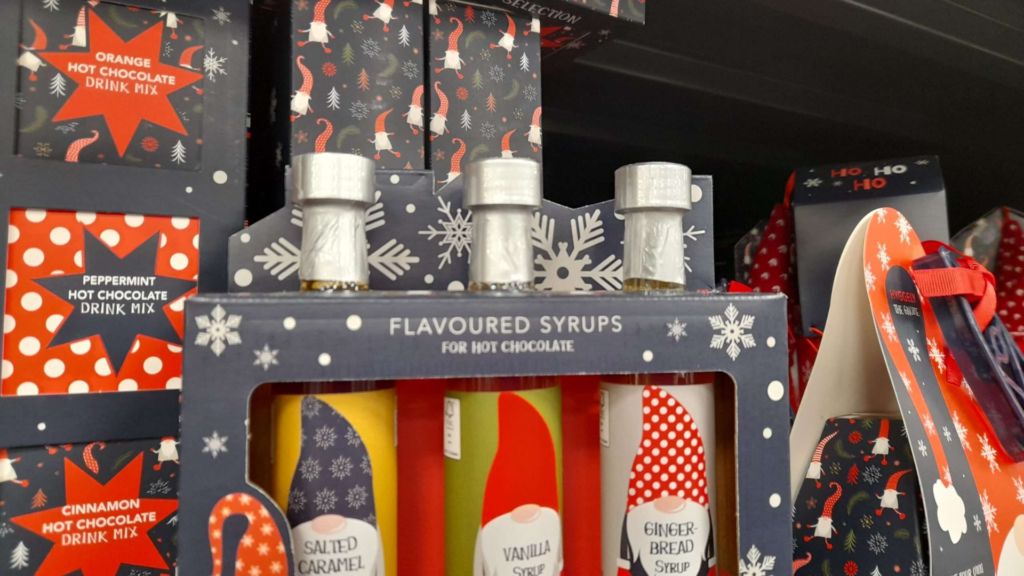
How many times did you stop to check out a product simply because the packaging caught your attention? When you had to choose between two similar products, did the way those products look influence your decision?
While we should try our best not to judge things by appearance, the truth is that we care a lot about first impressions. And in a world like this, how a product’s packaging looks matters as much as the product itself. Because no matter how good your product is, poor packaging design will drag sales down.
a new product because of the packaging.
Source: PakFactory
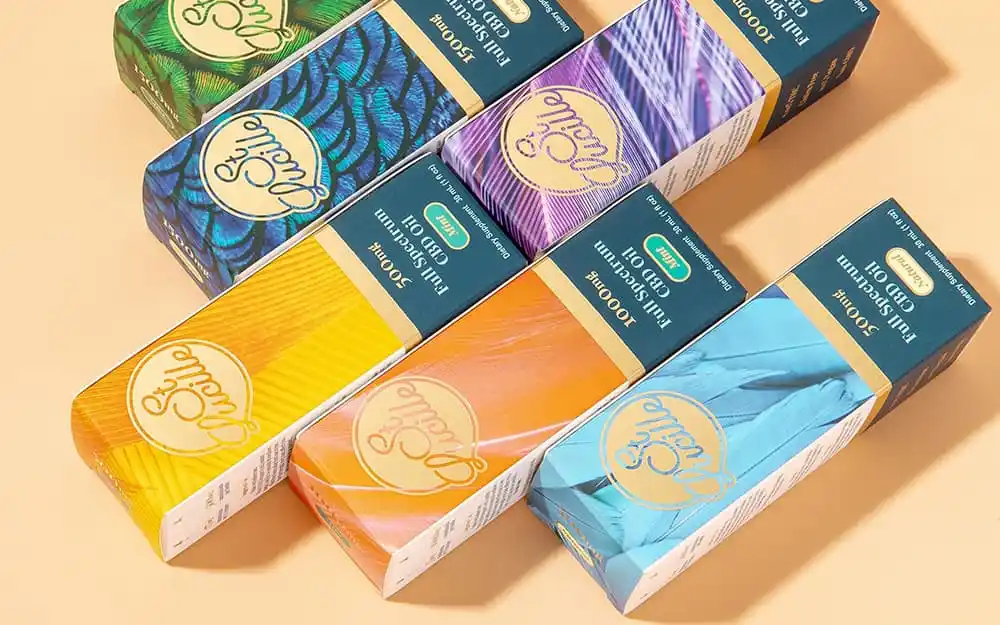
When it comes to your brand’s visual identity, consistency matters, from your website design and social media pages to your storefront sign and business cards. Consistency is what helps to strengthen your brand identity. As such, consumers need to recognise your brand from the packaging design of your products. If the packaging is consistent with your brand, people who are already familiar with it will immediately identify it. This makes it easier to stand out from the crowd.
Keep in mind that it works the other way as well – those who purchase your product will become familiar with your brand as a result and be able to identify your brand when they see it elsewhere — as long as there is consistency with your branding efforts.
But there are many things to consider when designing a package – the design has to function. It has to protect what’s inside. It has to allow for easy storage and distribution. It must display information about what it is and draw attention to itself on a shelf full of competing products.
Source: Sooca Designs
Main Functions of Product Packaging
Design matters, but packaging functionality is even more important. Here’s what good packaging should do for the product it contains:
- Protection: the primary purpose of product packaging is to protect what’s inside from damage during transit, in storage rooms or while it sits on the shelf in stores. Thus, product packaging must be reliable and sturdy to prevent tampering with the product.
- Attraction: when consumers see your products on the shelves, it needs to be attractive enough to get their attention. This can be done by using specific colour schemes, intricate designs or custom boxes that are both functional and attractive.
- Information: packaging needs to include information about the product, including how to use it, ingredients it contains or expiration dates. This information helps customers decide if they want to purchase your product or not, without the need to speak to a store assistant.
- Differentiation: packaging also helps brands differentiate their products from similar ones through logos, colours or shapes. Innovative designs will make your product stand out and attract customers.
from a business if it included premium packaging.
Why Does Packaging Design Matter?
Product packaging is a practical tool, but it also means much more than that for the product and brand it represents. It is the packaging that, through its design, convinces a consumer to purchase a product or not.
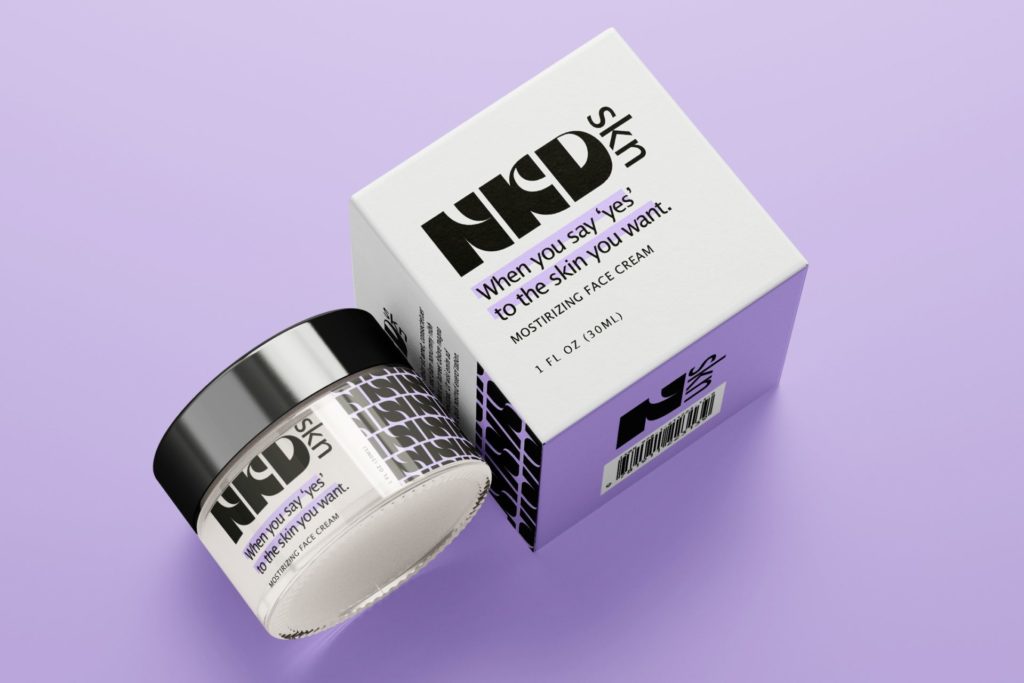
How to create attractive product packaging
No matter how good a product is, poor packaging can keep it from selling. Here are some important questions that need to be asked when creating a successful packaging design:
- What product are you selling? This is not supposed to be a difficult or tricky question, but one that helps you figure out the functionality of the packaging. The material, size and type of product you are selling will determine how sturdy and large the packaging needs.
- Who is going to buy your product? Knowing your audience helps you learn how to appeal to them as well. You should have your ideal customer in mind when creating the product packaging.
- What is my brand aesthetic? Packaging design needs to represent your brand, so you must tell the designer what aesthetics to use. It includes colours, fonts, logos and even imagery if that’s the case.
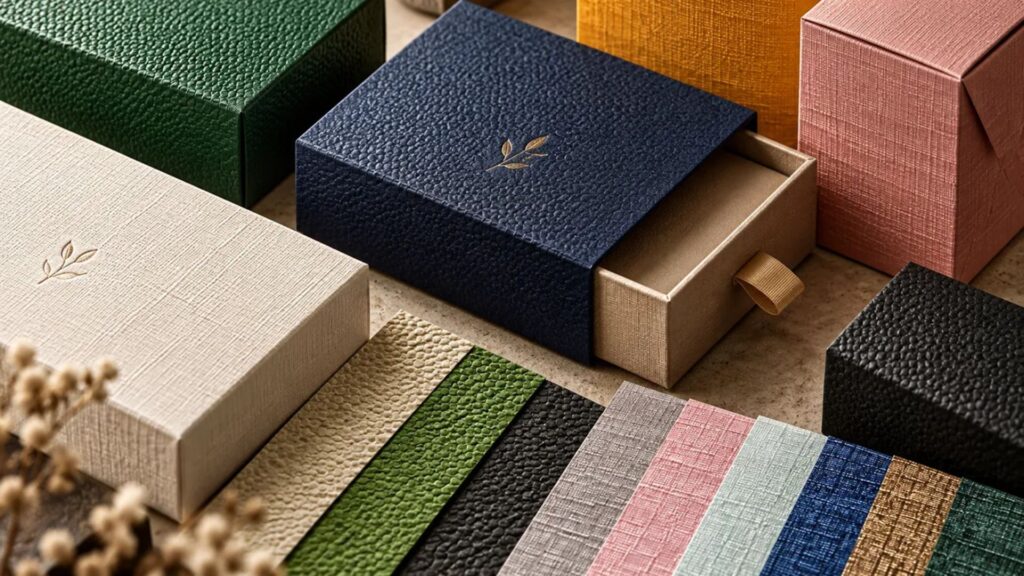
- How will the packaging represent your brand? What is your brand’s personality? This can be shown through colour, fonts, and textures. Good design uses these elements to tell a brand’s story. Great design goes even further. Consider the shape of the package – whether a bottle or a box, make it stand out with a unique silhouette. Consider metallic foil stamps, embossing or varnishes.
- What is the desired price point for this product? We make assumptions about a product’s price point before seeing a price tag. Once we’ve made those assumptions, we look at the price and decide either “this is an excellent value” or “I can’t believe they are charging that much for this.” Your product’s desirability and perceived value can help you charge more for it.
- What types of materials are you going to use? How durable does this packaging have to be? How long does this package have to stay intact before consumer use? Plastic, aluminium, glass, and paperboard are traditionally used, but we also need to consider your target audience. Are they environmentally conscious? If so, it’s probably best to look at alternative materials such as bioplastics. Sustainability also means using the least amount of material possible. Eco-friendly packaging is ingeniously designed to function well with minimal materials.
Using a company that offers sustainable packaging like noissue is a great way to bring your brand to life with on-brand packaging that speaks to your creativity, and values. Whether you’re starting out or scaling up, noissue offers low minimums and circular materials that will help you deliver an on-brand unboxing experience. Great for those wow-moments!
You can also get their sample pack to test out their products. They are having a special discount for e-commerce and food industry entrepreneurs. These are affiliate links so I do get a small commission if you use my link.

Remember, your product’s packaging needs to communicate a purpose: what your brand stands for and what it means for your customer. Don’t miss the opportunity to create a lasting impression in the minds of your customers.